Recipe Costing That Keeps Margins Honest
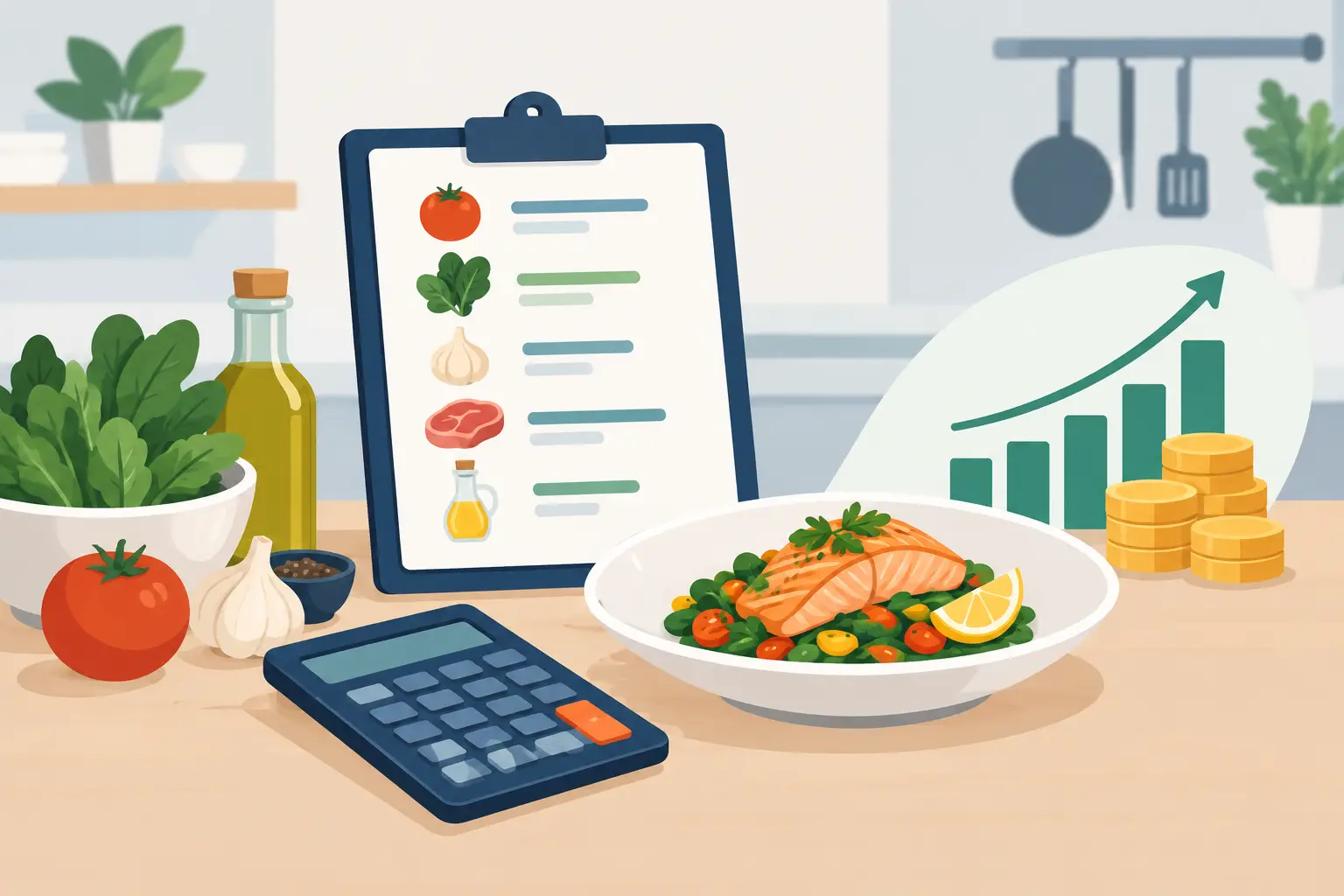
A dish can look profitable on the menu and still lose money every time it leaves the pass. The usual culprit is not one dramatic mistake. It is a recipe cost built on an old supplier price, a guessed yield, a missing garnish, or a portion that has quietly grown during a busy service. Recipe costing puts a number on those small leaks before they become the month-end explanation.
For working kitchens, this is not finance theater. It is the operating standard that tells a chef what a plate actually costs, what it returns at its selling price, and what needs attention before the invoice does.
What recipe costing should tell you
A proper recipe cost starts with the full build of a dish: every ingredient, its purchase unit, its usable yield, the amount used in the recipe, and the number of portions produced. From there, the kitchen can calculate cost per batch, cost per portion, food-cost percentage, and gross profit per item.
That sounds straightforward, but the detail matters. A case of chicken is not the same as usable chicken after trim. A quart of sauce is not a cost per ounce until the batch yield is clear. A burger is not just a patty and bun when it also carries cheese, pickles, sauce, fries, and a side ramekin.
The useful number is the one that reflects what goes onto the plate. If the recipe cost says a dish is 24% food cost but ignores oil, herbs, seasoning, or a standard garnish, it is not an accurate 24%. It is a neat-looking estimate.
Start with purchase units, then work down
Supplier invoices speak in cases, pounds, gallons, and packs. Recipes speak in ounces, grams, eaches, and ladles. Recipe costing connects those two languages.
Take a 40-pound case of tomatoes at $48. If 10% is lost to trimming and spoilage, the usable weight is 36 pounds, not 40. The real usable cost is $1.33 per pound, not $1.20. That difference may look minor in one salad. Across hundreds of covers, it is margin.
The same principle applies to proteins, produce, whole fish, bone-in cuts, and any ingredient that loses weight through trimming or cooking. Yield assumptions should be based on how your kitchen works, not a number copied from a generic spreadsheet. Recheck them when product quality, preparation methods, or staff habits change.
Cost sub-recipes before finished dishes
Dressings, stocks, sauces, spice blends, pickles, doughs, and compound butters should be entered as recipes in their own right. Cost them once, record their batch yield, then use the calculated unit cost in every menu item that calls for them.
This avoids rebuilding the same math across multiple dishes. More importantly, it makes price changes travel. If the cost of olive oil rises, every vinaigrette using that oil changes. Every salad using that vinaigrette should then reflect the new plate cost without someone hunting through separate tabs.
That connected approach also protects consistency. The kitchen is working from one approved sauce recipe, not five versions with slightly different quantities and no clear owner.
How to calculate recipe costing accurately
The basic calculation is simple:
Ingredient quantity used × ingredient cost per usable unit = ingredient cost
Add every ingredient cost together to find the batch cost. Divide by the actual number of portions produced to find the cost per portion. Then calculate food-cost percentage:
Plate cost ÷ menu price × 100 = food-cost percentage
If a pasta dish costs $4.80 to produce and sells for $18, its food cost is 26.7%. That may work for your concept, labor model, and target margin. It may not. A 26.7% food cost means something different in a counter-service lunch spot than it does in a full-service restaurant with high labor and occupancy costs.
Use food-cost percentage as a control, not a verdict. A high-cost signature dish can earn its place if it drives traffic, supports beverage sales, or protects the menu mix. A low-cost item can still be a poor decision if it does not sell, slows the line, or creates excess inventory.
The point is to know the trade-off rather than running it blind.
The four details that usually distort plate cost
Most inaccurate recipe costs do not fail because the kitchen cannot do arithmetic. They fail because the data was entered once and never managed again.
First, supplier prices go stale. Dairy, produce, proteins, oils, and imported goods can move quickly. A cost card from three months ago is not a live control. Update prices from invoices regularly, especially for ingredients that materially affect your menu.
Second, portion sizes drift. A six-ounce protein becomes seven ounces when cooks are rushed or the scale disappears from the station. A "small handful" of fries turns into a full scoop. Standard recipes need clear quantities, usable tools, and enough training to hold the line during service.
Third, yields are guessed. If a recipe says it produces 20 portions but the team regularly gets 17, the stated portion cost is fiction. Record actual batch yields. The same applies to sauces reduced too far, breads baked too large, and soups portioned without a standard ladle.
Fourth, the small items are missing. Garnishes, fryer oil, butter for finishing, takeout packaging, and ramekins may not move a dish from profit to loss alone. Together, they can. Whether you include disposables in plate cost depends on how you report costs, but they should be visible somewhere in the decision.
Recipe costing should lead into menu action
A costed recipe sitting in a folder is useful only once. A live recipe cost should feed menu decisions every week.
Start by comparing each item’s plate cost, selling price, food-cost percentage, gross profit dollars, and sales volume. That gives a clearer picture than food-cost percentage alone. A $26 entrée at 30% food cost produces more gross profit dollars than a $14 entrée at 25%, but only if guests order it and the kitchen can execute it cleanly.
Look for the dishes that sell well and return strong gross profit. Protect those. Look for high-selling items with weak margins and ask direct questions: Can the portion be tightened? Can the garnish change? Is the price out of date? Is there a lower-cost supplier or a seasonal substitute that preserves the dish?
For slow sellers with poor margins, sentiment is not a strategy. A dish may deserve another chance if it supports the identity of the menu, but it needs a reason to stay. Otherwise it is tying up prep time, inventory, and menu space that a better item could use.
One recipe entry should run more than the menu
The real value of recipe data appears when it moves through the rest of kitchen operations. A changed ingredient price should update plate costs and menu analysis. A changed recipe yield should affect prep quantities. A changed sales forecast or booking count should alter what the team needs to prep and order.
That is how costing stops being a back-office task and becomes part of daily control. When recipes, menus, forecasts, prep, and purchasing live in disconnected files, every change creates manual work and another chance for error.
A connected system such as Plate Margin uses recipe data as a single source of truth. Update the dish or its ingredient cost once, then let the plate cost, recipe book, allergen information, prep needs, and supplier-aware ordering reflect the same current data. That is costing, made honest.
Build a routine your team can actually maintain
Accuracy does not require an accountant in the walk-in. It requires a routine that fits the pace of the operation.
Assign ownership for invoice entry or price checks. Review high-volatility ingredients weekly and the rest on a sensible schedule. Audit a few finished portions during service each week. Compare theoretical usage from recipes against actual purchases and inventory, then investigate meaningful gaps rather than accepting them as normal.
Keep recipes specific enough for a new cook to produce the same result. "Season to taste" has a place in cooking, but it does not belong where a fixed quantity is needed for a repeatable cost. Build practical flexibility into the recipe where needed, then cost the standard that the kitchen intends to serve.
The goal is not a perfect spreadsheet that nobody opens. It is a kitchen where the chef can see a cost change, make a decision, and give the team a clear standard before the next service. When every portion has a number behind it, margin management becomes less about chasing losses and more about running the kitchen on purpose.